Designing for people who've been let down before
Originally published on Medium in September 2025.
This article has a flaw baked into its title. We will get to that later.
I work on government services across healthcare, aged care, disability, family violence, education, justice and the environment. The contexts vary, the policies shift, the systems look different — yet the same pattern keeps appearing: systems fail people.
When people have been let down, those experiences do not disappear. They build up over time and shape what comes next. A denied payment. A door closed. A promise broken. Each moment stacks on the last.
That history comes into the room with people. Trust is not automatic. Safety cannot be assumed. Hope does not return simply because a new service or process begins.
This article shares practical lessons I learned the hard way: how to show up, how to work alongside people with care, curiosity and respect, and how to design processes that restore trust instead of eroding it.

Layers of identity and lived experience shape every interaction
Who we’re talking about
“People who’ve been let down before” are those whose lived experiences don’t match the social contract. Where society promises equity, safety, inclusion, or dignity but delivers the opposite.
This could look like:
- Being denied bodily autonomy over reproductive decisions because of disability.
- Missing access to quality education because of your postcode, where funding isn’t adequate for the needs of the people living there.
- Being disbelieved by the justice system because you don’t fit a “model victim” stereotype as a neurodivergent person.
These are not “edge cases “ (a term that should be retired entirely). The more overlapping or intersecting identities someone holds, the greater the chance their experiences diverge from social promises.
Discrimination can be invisible if you’re not experiencing it
Discrimination and exclusion are often invisible to those who don’t experience them, but for the people who do, they are constant and deeply felt. Policies, laws and systems may appear neutral from the outside but can encode inequities and harms that show up in people’s everyday lives.
This shapes how people engage with services and, by extension, with us. For someone whose experiences have consistently diverged from social promises, there’s no reason to assume safety or fairness.

Recognise that we exist in the context of all in which we live and what came before us
Mistrust is a rational response to systemic failures
For people who’ve been let down before, mistrust isn’t resistance. It’s survival — a rational response to a system that has failed to keep its promises.
If someone’s experience of government involves control, surveillance, discrimination or harm, why would they trust a government consultant?
Expecting mistrust means designing for it. It means:
- Acknowledging the histories and dynamics people carry into the room.
- Being explicit about your role and the limits of your power.
- Creating processes that prioritise safety, choice and control.
- Accepting that trust is earned over time, not granted upfront.
People’s responses to you are rarely just about you. They’re about what they’ve experienced before and the power dynamics you represent simply by being there.
Three lenses for designing with care
Over years of work, mistakes, and reflection, I’ve come to organise this practice around three lenses:
- Mindset — how to show up
- Methods — how to work
- Mutuality — how to give back
1. Mindset: how to show up
How you show up matters as much as what you do.
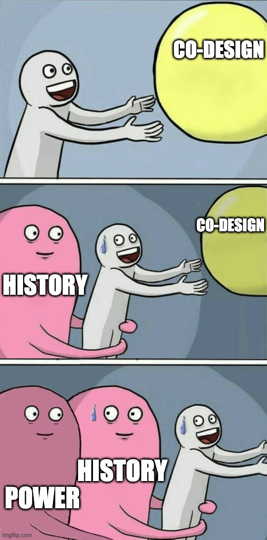
Acknowledge the history and power in the room when you do co-design
Wanting to do the right thing is not enough
Good intentions do not prevent harm. You need time, the right people and organisational backing. Without these, participants carry the cost.
Be honest up front:
- Do we have enough time and budget to do this safely?
- Will the organisation act on findings?
- If not, pause, narrow scope or change approach.
Power and history shape every interaction
We like to picture co-design as smooth. In reality, history and power sit with people in every session.
Example from practice. On a project about gender-based violence and disability, my first instinct was to speak directly with First Nations mothers about support needs. That was not safe. In many contexts, disclosing disability or support needs to someone linked to government can increase the risk of child removal. That history is in the room before we are. Our presence changes the power balance.
Mindset tip 1: Assess your team
Before any engagement, check whether the team has the skills and supports to approach this work responsibly.
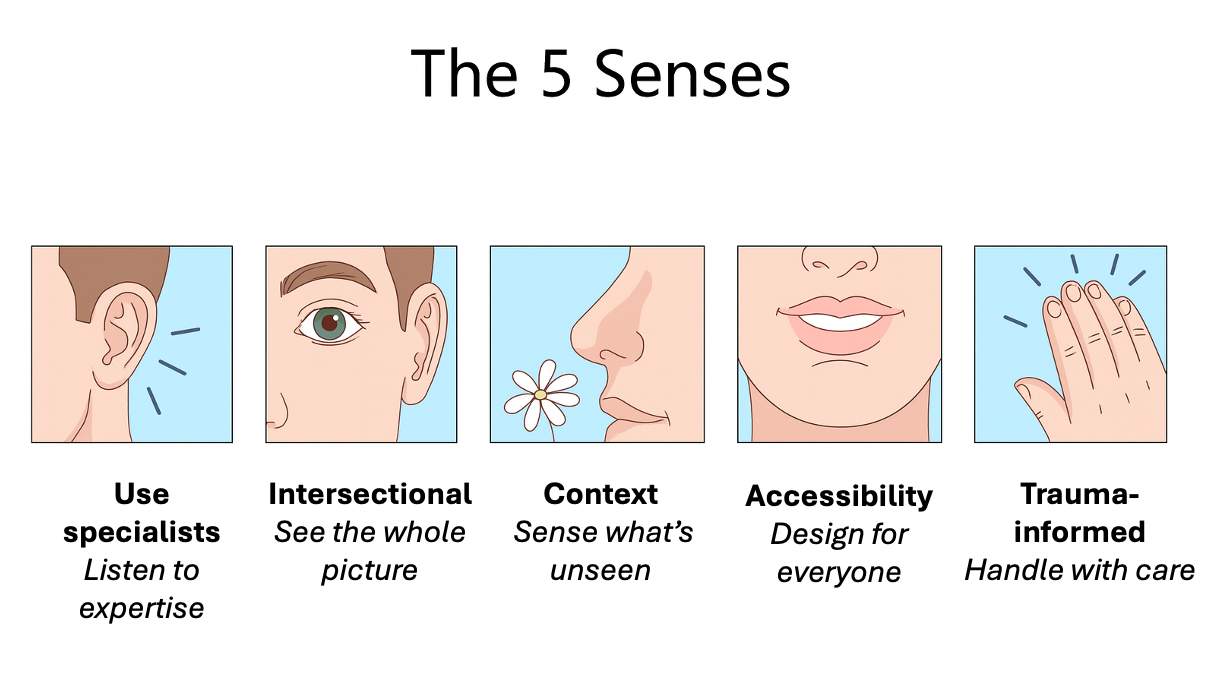
You can look at it through the five senses:
**Hearing — accessing expertise
**Ask: Are we listening to lived expertise and community knowledge?
Why: Outsider expertise is limited without insiders’ perspectives.
**Seeing — intersectional
**Ask: Are we viewing people intersectionally, not as checkboxes?
Why: Overlapping identities compound exclusion and need different responses.
**Smell — context aware
**Ask: Are we sensing what is unspoken in the room?
Why: Reading power, discomfort and silence helps avoid accidental harm.
**Taste — accessible
**Ask: Have we built accessibility in from the start?
Why: Accessibility must be systemic, not superficial.
**Touch — trauma informed
**Ask: Is our practice trauma informed and supported by real protocols?
Why: Without plans for triggers and secondary trauma, the work risks harm.
Mindset tip 2: Quality over quantity
Designing with people who’ve been let down before means prioritising relational depth over transactional reach. More participants does not equal better insights.
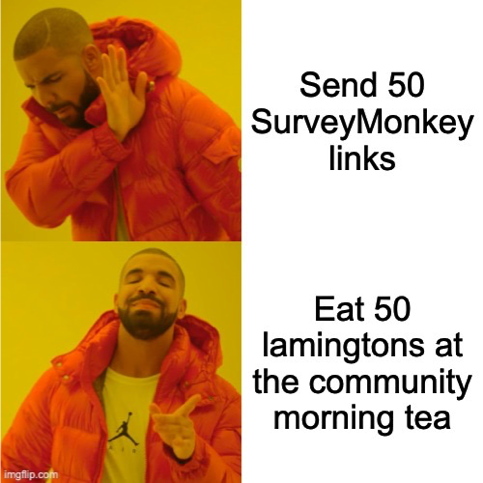
Qualitative methods work best here
Instead of sending out 50 SurveyMonkey links, go and eat 50 lamingtons at a community morning tea. Large-scale, impersonal methods can alienate or exclude people. Connection and authenticity matter more than volume.
Qualitative approaches allow you to:
- Build rapport and trust gradually
- Create space for reflection between sessions
- Adapt methods as you learn, rather than locking people into rigid formats
Relational work has a cost — more time, more care, more flexibility — but it produces safer, richer and more respectful outcomes.
Mindset tip 3: Ask if you should
When depth matters more than reach, the next question is whether new primary research is needed at all. If existing evidence can answer the question, do not put people through another round of screening, surveys or interviews.
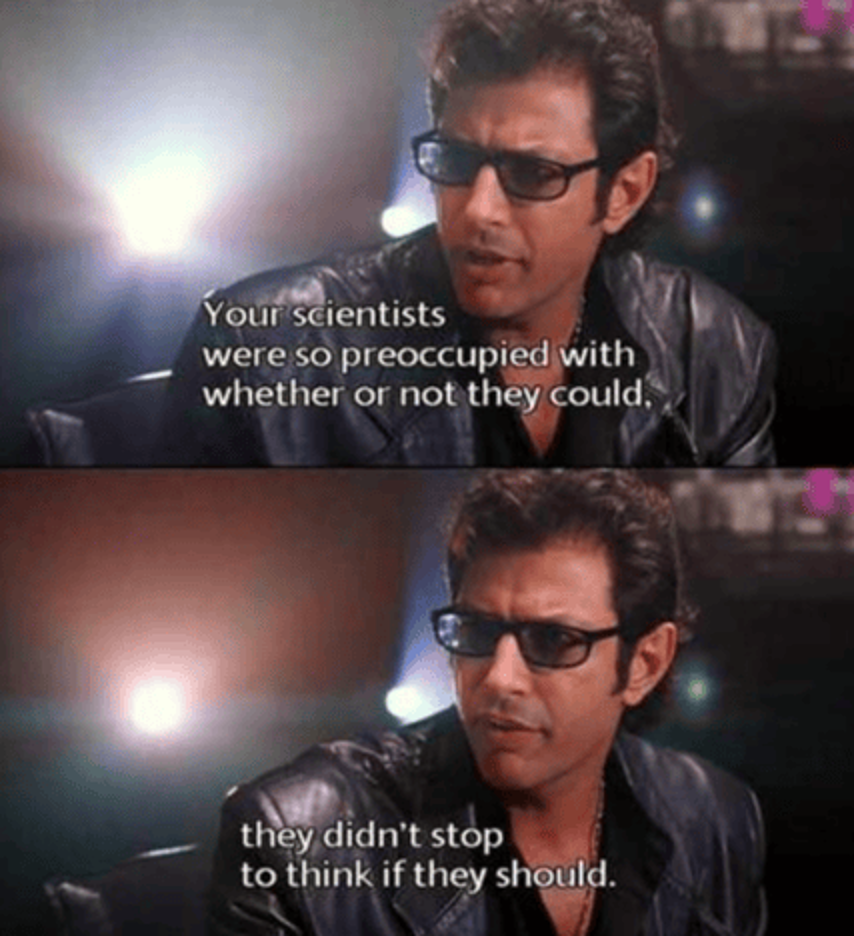
Before starting, ask:
- What is the value compared to the potential harm?
- Do we have the time, budget and organisational backing to do this safely?
- Could we start smaller, test approaches or partner with those already trusted?
- Can existing evidence answer this without asking people to retell painful stories?
Start by checking existing sources of lived experience before commissioning new research. Look to inquiries, royal commissions, community-led research, advocacy reports, and submissions relevant to your topic.
Example from practice. When working on disability, the Disability Royal Commission final report is always my first reference point. It contains thousands of pages of lived experience testimony that can shape your approach before any further research.
2. Methods: how to work
The usual research playbooks often fail when working with people who have been let down before. Experiences, risks and expectations are different, so the methods need to feel different too.
Usual recruitment strategies fail
The “usual places” for recruitment — panels, open surveys and social ads — tend to surface the “usual people”. These are often participants who are already comfortable engaging with services or who fit neat demographic profiles.
The people most affected by systemic harm are often deliberately hard to reach. Many avoid mainstream recruitment channels because of past experiences of exclusion, surveillance or judgement.
Reaching them takes time and trust. Start by working with advocates, peer networks and community leaders who are already trusted. Build relationships before recruiting participants. Expect this to take longer than typical project timelines allow.
Accessibility is more than a checkbox
Accessibility cannot be reduced to “we’ve met WCAG.” Standards matter, but they are only one part of creating genuinely accessible experiences.
Accessibility is about how the entire engagement feels. Do people feel safe? Do they know what to expect? Do they have options about how to participate?
When services have caused harm, even small design choices can signal danger or care. Location, timing, format, who is in the room and how information is handled all change whether someone feels able to participate.
Ignoring this context has consequences. People with the most at stake opt out. Those who do attend may mask distress, shorten answers, or avoid topics that matter. You end up with cleaner data from safer participants, not truer insight from those most affected.
Rigidity breaks trust and safety

This happens all the time
Over-engineering your plans creates risk, not certainty. When people have complex needs, there is no way to plan for every variable.
Recently, I put together a 40 page research plan that looked perfect on paper. It mapped every step, timeline, method and deliverable in detail. Within a week, I had to throw it out.
After speaking with advocates and people with lived experience, it became clear the plan assumed too much:
- Participants needed more, shorter sessions instead of long workshops.
- Participants had transport barriers that made our chosen locations inaccessible.
- Trusted intermediaries wanted to review materials before we approached individuals.
- Some people would only engage through support workers or in locations they felt safe.
- Community advocates warned us that some dates coincided with cultural obligations where research would have been inappropriate.
None of these needs were visible from the outside. The only way to discover them was by listening first.
The reality is that this work demands flexibility. Listen first, then adapt. Move at the speed of safety. It is better to pause and redesign than to stick to a rigid process that excludes the very people you are trying to reach.
Methods Tip 1: Find the networks and relationships
In many communities the connections you need are hard to see from the outside yet strong underneath.
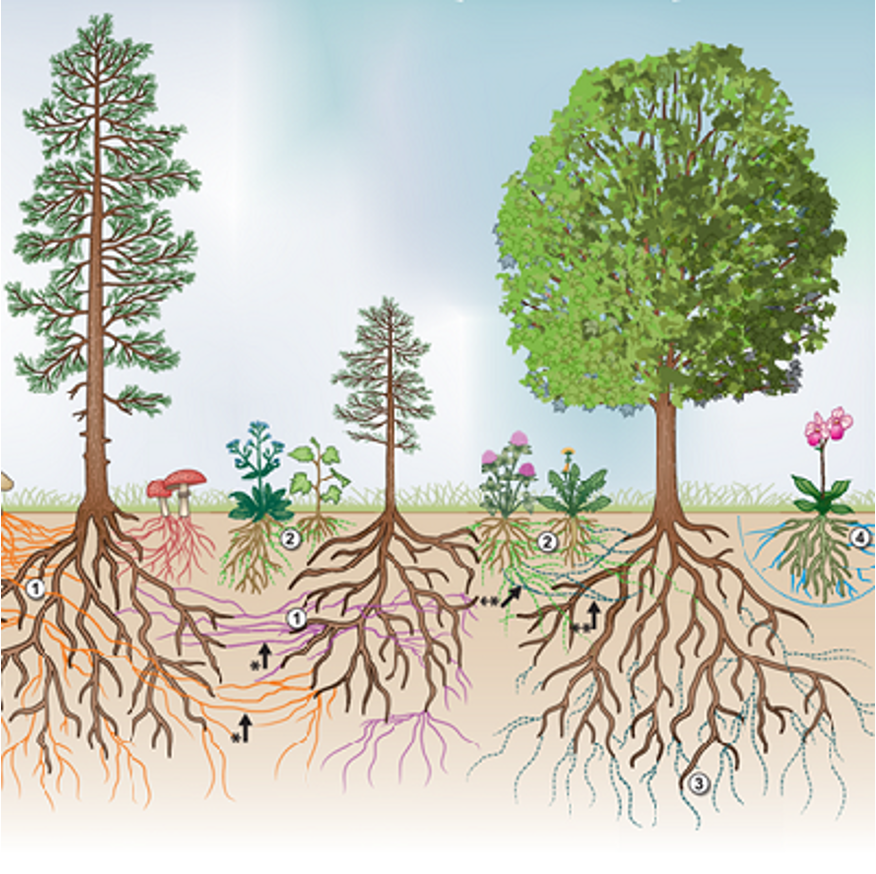
Mycelium network
Think of a mycelium network. On the surface you notice a few mushrooms and trees that look separate. Below the soil an unseen web moves information and support between them. Community works like that. You might see one advocate here or a small organisation there, but beneath are long-standing ties built on trust.
If you recruit without understanding these networks you will miss the people most affected by systemic harm. Cold approaches such as ads, open surveys or panels surface the usual people. Those with the most at stake are often outside those channels, sometimes by choice.
Start with relationships:
- Work through trusted intermediaries such as advocacy organisations, cultural leaders, elders, peer networks and peak bodies.
- Ask for advice and permission before contacting individuals.
- State your purpose clearly and listen to what partners need in return.
These relationships take time and reciprocity. What can look like gatekeeping is often safeguarding. Trust grows when your methods are safe, respectful and geared to create value for participants, not just insights for a project.
Investing here changes the quality of the work. It opens safe, supported pathways to people who would never respond to cold recruitment and gives context about the histories and systems shaping their experiences. Panels and scripts cannot reach that depth.
The aim is not simply to access participants. It is to collaborate with communities so recruitment, information sharing and participation are guided by those who understand these lived realities best.
Methods Tip 2: Accessibility and safety at the foundation
For people who have been let down before, accessibility and safety are not add-ons. They are the conditions that make participation possible. Where services have caused harm, trust is fragile and participation can carry real risk. Accessibility means creating environments, methods and choices that keep people safe, respected and in control from start to finish.
Compliance with WCAG and other technical standards is essential and should always be met. However, meeting these standards alone does not guarantee genuine accessibility. Start by listening to how people want to engage, and design around their needs, not the project plan.

How it can feel when you only focus on WCAG and not accessibility considerations
Make participation flexible
- Offer multiple ways to contribute: conversation, writing, drawing, small groups or anonymous inputs.
- Adjust pacing to reduce fatigue and cognitive load. One 60 minute interview may be too long. Shorter sessions spaced over time often work better.
- Let people choose how to communicate, including cameras off, written responses or with an advocate present.
Example from practice. When working with women with intellectual disability, we replaced one 60-minute interview with three shorter sessions spread across several weeks. This respected people’s energy, reduced anxiety, and allowed space to process information.
Choose safe and neutral spaces
Place matters. Government offices or branded spaces can feel unsafe because of past harm and power imbalance.
- Use neutral, trauma aware venues such as community centres or locations recommended by advocacy organisations.
- For online sessions, offer phone or platforms participants already use and trust.
Reduce anxiety and uncertainty
Small acts of transparency lower the temperature.
- Share session topics and likely questions in advance.
- Explain what will happen and who will be in the room.
- Encourage support people or advocates and offer interpreters.
Designing this way removes the burden on participants to ask for accommodations and shows that safety is a first-order concern.
Be explicit about data use and control
For many people who rely on public systems, personal information has previously been used against them. For example, parents with disability report that information they shared when seeking support was later used against them as evidence of risk in child protection investigations.
- State why data is collected, how it will be used and who will see it.
- Collect only what is necessary. Avoid “just in case” data.
- Offer options to remain anonymous and to review or redact notes after sessions where appropriate.
- In First Nations contexts, apply data sovereignty so communities control storage, representation and sharing.
Prepare for emotional safety
Conversations may surface experiences of violence, discrimination or trauma.
- All team members have training around trauma.
- Agree clear protocols for distress and disclosures.
- Build in options to pause, skip or stop at any time.
- Provide referral pathways to trusted supports and check preferences for follow-up.
- Support the team with debriefs and resources for secondary trauma.
3. Mutuality: how to give back
When people take part in research or co-design, they are giving something of themselves. Time, energy and often personal experiences go into those conversations, and they can stay with people long after the session ends. Mutuality is about recognising that and making sure people get something back from the process.

Trust takes time
People who have been let down before often carry a long history of exclusion, harm and broken promises. Distrust is not resistance. It is rational.
You cannot walk into a session, ask a few questions and expect people to trust you because you are “on their side”. Trust takes time. It comes from showing up consistently, being transparent about what you are doing and proving through your actions that what people share will be handled carefully.
This kind of work needs repeated contact and space for relationships to grow. One-off engagements rarely create the trust needed for meaningful participation.
Every interaction has a cost
Taking part in this kind of work can be exhausting. Sharing experiences of exclusion, discrimination or violence takes emotional energy. People can carry those conversations with them long after they leave the room.
That cost needs to be recognised. Paying people for their time matters, but it is not enough on its own, because most people are not there for payment. They are there because they want better outcomes for themselves, their families or their communities.
Listening isn’t enough
Listening on its own does not build trust. People want to see how their contributions are shaping decisions and outcomes.
When contributions disappear into a report or a process with no visible impact, people disengage. When they can see that their stories, insights and priorities have shaped thinking, decisions or outcomes, trust deepens.
Mutuality Tip 1: Better on repeat
Building trust takes time. One conversation is rarely enough, especially when working with people who have been let down before.
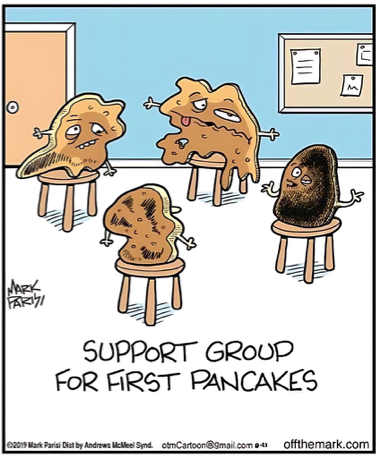
You need the first pancake to have the second.
I think about this as the first pancake principle. If you have ever made pancakes, you know the first one is usually not the best. It might be burnt, soggy or misshapen, but you need that first pancake before you can get to the better ones that follow.
The same applies to working with participants:
- The first interaction might feel awkward or incomplete.
- You might say something wrong or ask the wrong question.
- It may take a few attempts to understand what people need and how they want to engage.
That first conversation lays the foundation for the second, which is usually better, and the one after that, which is better again. Each interaction builds on the last.
What matters most is showing up again, especially if the first conversation was difficult. Returning after a mistake is a powerful way to build trust and credibility. It shows you care about the work, you value the relationship, and you are not going to disappear just because it was uncomfortable the first time.
Mutuality Tip 2: Sharing the pen

Mr Squiggle had a beloved Australian kids show
If you grew up in Australia, you might remember Mr Squiggle, the children’s TV character who could turn random scribbles into finished drawings live on air. That is the mindset here. Start with what people give you and build the picture together.
Designing with people who have been let down before means working from their stories, priorities and insights rather than treating them as inputs into a process you control. You build on those contributions in real time, shaping ideas and directions together. There is no such thing as “pure research” in this context. Every interaction carries elements of co-design because people need to see their input shaping what comes next.
In practice, that can look like:
- Using the final 10 to 15 minutes of a session to test ideas, sketch possibilities or workshop small concepts together
- Inviting participants to respond to early thinking: “Here is where we are heading. What resonates? What does not? What is missing?”
- Bringing simple co-design techniques into the room, even during research, so people can see their input shaping next steps
- Showing clearly how participants’ contributions are influencing decisions and outputs
Traditional research often separates “data collection” from “synthesis”. When working with people who have been let down before, that separation can feel extractive. Integrating co-design into every interaction makes the process more transparent and builds trust.
For me, that is the shift. I no longer think of this as research. Even when I call it research, it is co-design.
Mutuality Tip 3: End well
Mutuality is about reciprocity. It is about making sure people get something back from being involved and that the process benefits them as much as it benefits the project.
What people value most will vary. For some, it is fair payment for their time and expertise. For others, it might be stronger connections, access to resources, or simply feeling heard and respected in spaces where they have often been excluded. Most importantly, it is about making sure people can see how their input has shaped the work.

Don’t give up on people. Don’t let them down. Don’t run around and desert them.
This is where you need a little bit of Rick Astley energy. You can’t give people up. You can’t let them down. You can’t run around, desert them, or disappear once the project ends. Building relationships means staying accountable — closing the loop, sharing outcomes and acknowledging contributions so people can see the impact of their involvement.
Ending well means:
- Sharing outputs wherever possible, in ways that are accessible and useful to participants.
- Acknowledging contributions openly and with consent.
- Leaving behind tools, insights or resources that continue to benefit people after the project ends.
- Staying connected where participants want that ongoing relationship, so future work builds on trust rather than starting from scratch.
Nothing about us without us
Did you notice? The title is wrong.
This was never about designing for people who have been let down before. It has always been about designing with them.
Designing for assumes distance and control.
Designing with recognises that people are the experts in their own experiences and that any process worth doing has to be built alongside them, not on their behalf.
Designing with people who have been let down before also forces us to face an uncomfortable truth: systems are not broken for everyone. They work as intended for some and fail others by design.
That means we cannot keep showing up the same way. To design for equity, we have to change ourselves: how we listen, what we value, what we leave behind. It is slower, harder and more uncertain, but it creates work that honours people’s experiences rather than repeating harm.
Our work is not to fix people. Our work is to fix systems.
This article is based on a talk I gave at UX Australia 2025.